

Patents & Intellectual Property in Poland — Meyis Biuro Rachunkowe, Warsaw
Services

Patents & Intellectual Property

Your ideas are an asset worth protecting. Patents, trademarks, utility models and industrial designs each protect something different, and choosing the wrong instrument — or the wrong scope — is what leaves a business exposed later.

Overview

Meyis advises on the strategy and prepares the groundwork: clearance and prior-art searches, the right Nice classification, and the application file for the Polish Patent Office (UPRP) or the EU Intellectual Property Office (EUIPO). We also advise on international routes through WIPO and the EPO, and on the renewal deadlines that keep protection alive. Applications are filed in the rights holder name.

What’s included
  • Patent & utility-model application preparation
  • Trademark protection advisory (PL & EUIPO)
  • Industrial design protection advisory
  • Novelty, clearance & prior-art searches
  • Renewals, oppositions & monitoring
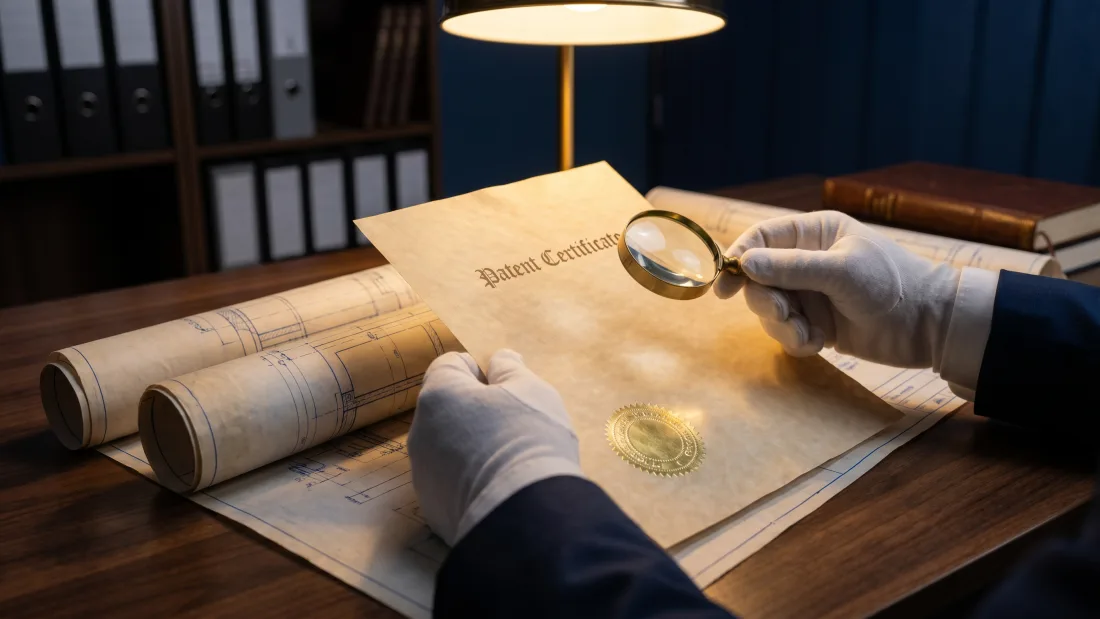
Patents & Intellectual Property — advisory and ongoing support from our Warsaw office
In detail

What each part of the service actually covers

Patent & utility-model application preparation

A patent protects a technical invention that is new, involves an inventive step and can be industrially applied; protection runs up to twenty years from filing, subject to annual fees. A utility model covers a technical solution with a lower inventiveness threshold and protects for ten years in Poland — often the pragmatic route for a practical improvement that would struggle to clear the patent bar. We assess which instrument fits the invention and advise on preparing the specification and claims, which is where the scope of protection is actually decided.

Trademark protection advisory (PL & EUIPO)

A national registration through the Polish Patent Office covers Poland; an EU trade mark filed at EUIPO covers all member states in one right. The EU route is usually better value if you trade across borders, but it is all-or-nothing: an earlier conflicting right in any single member state can block the whole application. Which route to take is a commercial question about where you actually sell, and it is worth deciding before filing rather than after a refusal.

Industrial design protection advisory

Design rights protect the appearance of a product — shape, contours, ornamentation — rather than how it works. Registration in Poland or at EU level is granted in five-year terms renewable up to twenty-five years in total, which makes it a cheap and long-lived right for anything where the look is the differentiator. The condition is novelty, and public disclosure before filing can destroy it, so the timing of a product launch and the timing of a filing need to be planned together.

Novelty, clearance & prior-art searches

The search is the step people skip and the one that saves the most money. For a trademark it reveals earlier rights that would form the basis of an opposition; for an invention it shows prior art that could make the application futile before you pay for it. A search will not always produce a clean answer, but it converts an unknown risk into a known one — and knowing that a conflict exists before filing is worth considerably more than discovering it afterwards.

Renewals, oppositions & monitoring

Registration is a beginning, not a conclusion. A trademark runs in ten-year terms and lapses if a renewal is missed; patents require annual fees; and both can be challenged. Meanwhile someone else may file something close to your mark, and the window for opposing is short and starts from publication — not from when you happen to notice. We keep the renewal calendar and advise on monitoring so a deadline never decides the outcome for you.

Who it is for

Businesses we do this work for

  • Businesses launching a brand in Poland

    The name on your sign, your invoices and your domain is not protected by using it. If someone else registers it first, the position reverses — they hold the right and you are the one who has to change. A clearance search before launch costs a fraction of a rebrand after one.

  • Manufacturers and product companies

    If you have developed something technical or something that looks distinctive, there are two different rights available and the choice affects both cost and duration. Timing matters as much as choice: disclosing publicly before filing can remove the novelty the right depends on.

  • Exporters trading across the EU

    A Polish registration stops at the Polish border. If you sell into other member states, an EU-wide right is usually the cheaper way to cover them — but it is also more vulnerable, because a conflict anywhere in the Union blocks it everywhere.

Warsaw city centre at golden hour, looking down Aleje Jerozolimskie
Warsaw — where your company is registered and your books are kept
How we work

A clear path from first call to clean books.

Four steps from first hello to books you never have to think about again — clear, quick, and handled in your language.

Book an appointment
02

A tailored plan

We map the services, deadlines and documents your situation actually needs.

03

Smooth handover

We onboard your records and take bookkeeping, payroll and filings off your desk.

04

Clear, ongoing reporting

You get regular, plain-language updates — and an advisor who answers when you call.

Questions

Frequently asked questions

What is the difference between a trademark, a patent and a design right?

A trademark protects a sign that identifies your goods or services — a name, a logo — for as long as you keep renewing it. A patent protects a technical invention for up to twenty years and then it enters the public domain. A design right protects the appearance of a product, in five-year terms up to twenty-five years. They are not alternatives: one product can carry all three, each covering a different thing.

Should I register in Poland or across the EU?

It depends on where you actually sell now and plausibly will within a few years. A national right is cheaper and only conflicts with earlier Polish rights. An EU right covers every member state at once, which is far better value per country, but a single earlier conflicting right anywhere in the Union can defeat the whole application. Where the EU route fails, the application can often be converted into national ones.

Why does the choice of Nice classes matter so much?

Because protection only extends to the goods and services you claimed. The Nice system divides everything into forty-five classes, and a mark registered for one activity gives you nothing against a competitor using the same name in a class you did not claim. Claiming too narrowly leaves gaps; claiming too broadly invites opposition and can expose the mark to cancellation for non-use later.

Why is a search before filing worth doing?

Because official fees are not refunded when an application fails, and because a conflict discovered after you have printed packaging is a different problem from one discovered before. A search will not guarantee registration — examiners and earlier rights holders both have a say — but it turns the main risk from unknown into known, which is what lets you decide with your eyes open.

What happens after registration?

Deadlines start. A trademark must be renewed every ten years and can be challenged for non-use if you never actually use it for the goods claimed. Patents need annual fees to stay alive. And third parties keep filing: if something close to your mark is published, the window to oppose is short and runs from publication. We maintain the calendar and advise on monitoring so those dates do not pass unnoticed.

Free consultation

Tell us about your business. We’ll map the next steps.

Leave your details and we’ll come back within one business day — with concrete answers, not a sales pitch.

  • Free 30-minute introductory call
  • English, Polish, Turkish, Russian, Ukrainian, Arabic and Romanian support
  • No obligation — clear next steps

We reply in English, Polish, Turkish, Russian, Ukrainian, Arabic or Romanian — usually within one business day.

Request received

Thank you — we’ve got your details and our team is reviewing your request right now. We’ll be in touch within one business day.